

























What is a dental implant?
A dental implant is an artificial tooth root made of titanium that a dentist places into your jaw. When a tooth and its root are missing, the long-term solution for a natural function is a dental implant and made-to-match crown. Dental implants are ideal for people in good oral health who have lost one or more teeth. Straumann is a leading dental implant system that has earned worldwide trust for over 60 years.
-

- Before
-

- After
Dental Implants have proven to be the answer to many patients’ dental problems. By replacing just one tooth in your mouth, they enable the restoration of a natural smile, improving patient comfort and confidence.
Placing of the implants is carried out at the surgery, involving a simple procedure under a local anaesthetic.
-
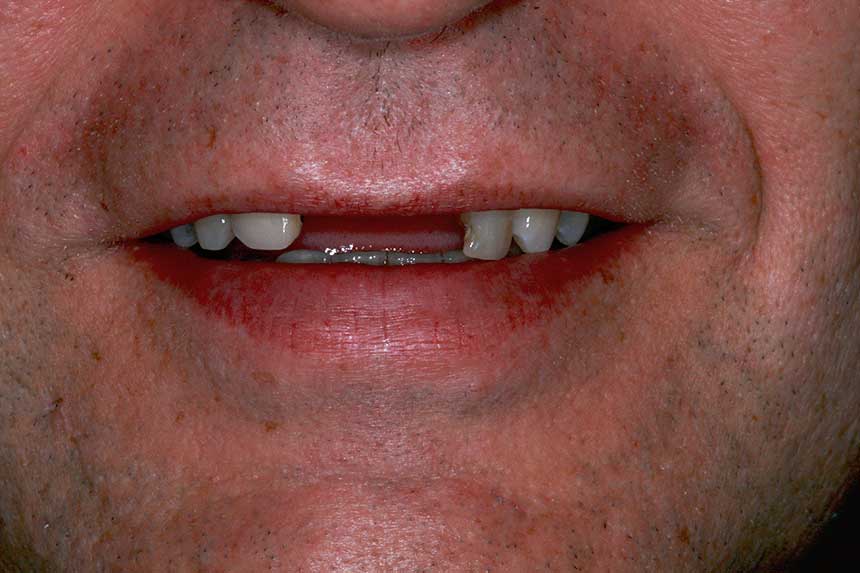
- Before
-
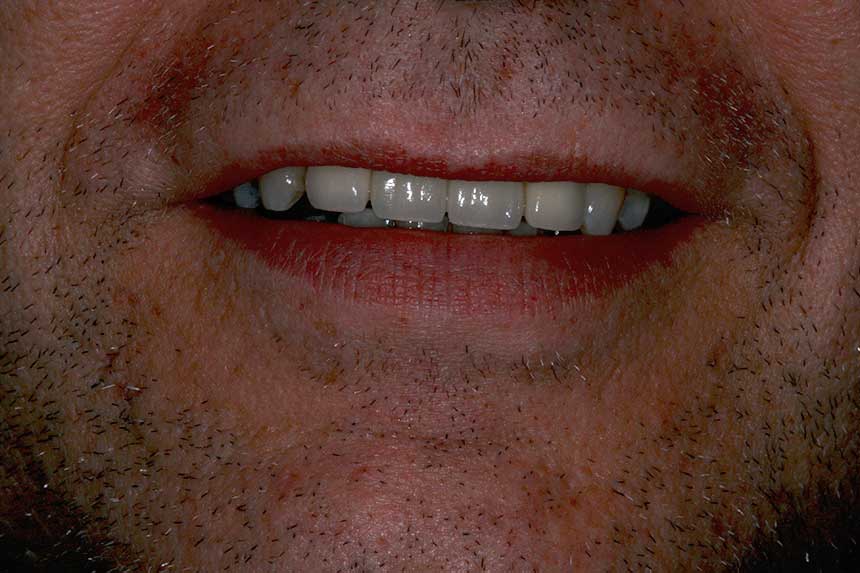
- After
The healing phase is between 6 to 12 weeks depending on the individual medical situation. During this period the implant becomes securely attached to the jaw bone – a process called osseointegration, Implants help preserve the jaw bone. Once healed, this artificial root acts as a base for fixing individual crowns, multi-tooth bridges.
By visiting your dentist and patient cooperation, implants can last a lifetime. Long-term studies continue to show improving success rates for implants.
Keep your jaw bone in good shape!
-
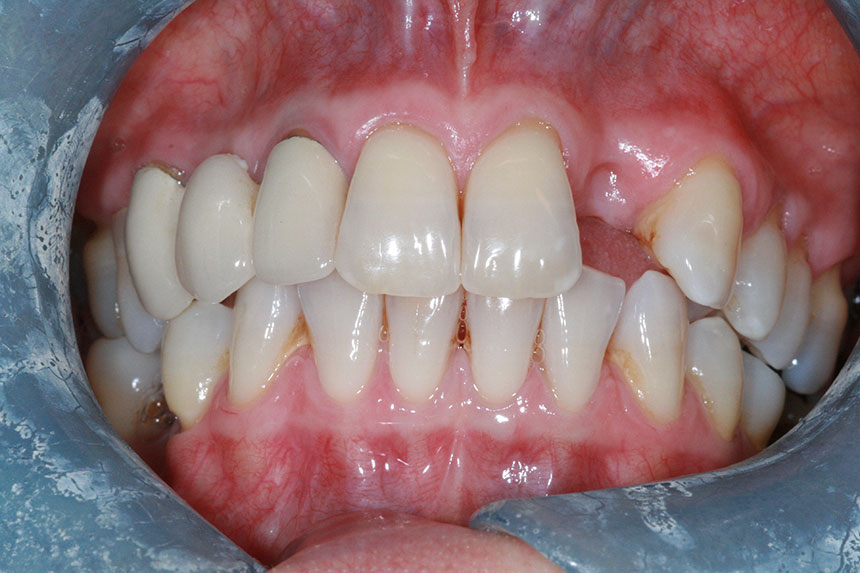
- Before
-
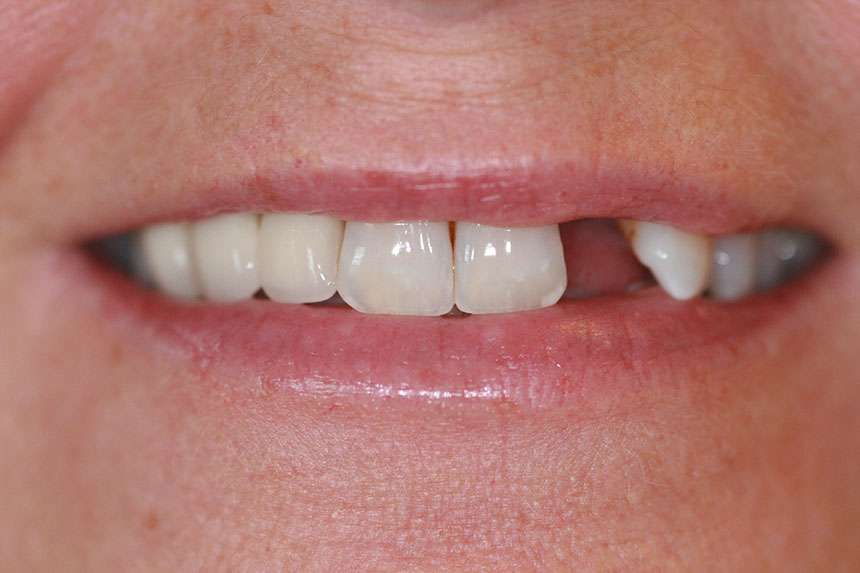
- Before
-

- After
-

- After
Bone Grafting
The most important part for the long-term success of an implant is sufficient bone in the jaw. If the jawbone does not allow a stable implant insertion due to minimal bone loss or defects a bone augmentation has to be performed. This can be usually done at the placement of an implant.
Depending on the individual the loss of bone may be significantly greater. In these cases a bone augmentation may need to be done prior to placing an implant.
Bone substitute materials – alternatives for the use of autogenous bone
Bone substitute materials resemble human bone in their structure and composition. Mostly they are applied as particles to the jawbone or the defect, but there are also blocks available that can be fixed to the jaw.
Bone substitute materials are remodelled into own bone. Bone substitute materials can originate from animal bone (mostly from Australian cattle) or human donor bone (cadaver), or they are synthetically produced.
Your attending dentist will advise you on the advantages and disadvantages of the presented products.


